Cultural Analysis
Connection to Key Anthropological Works
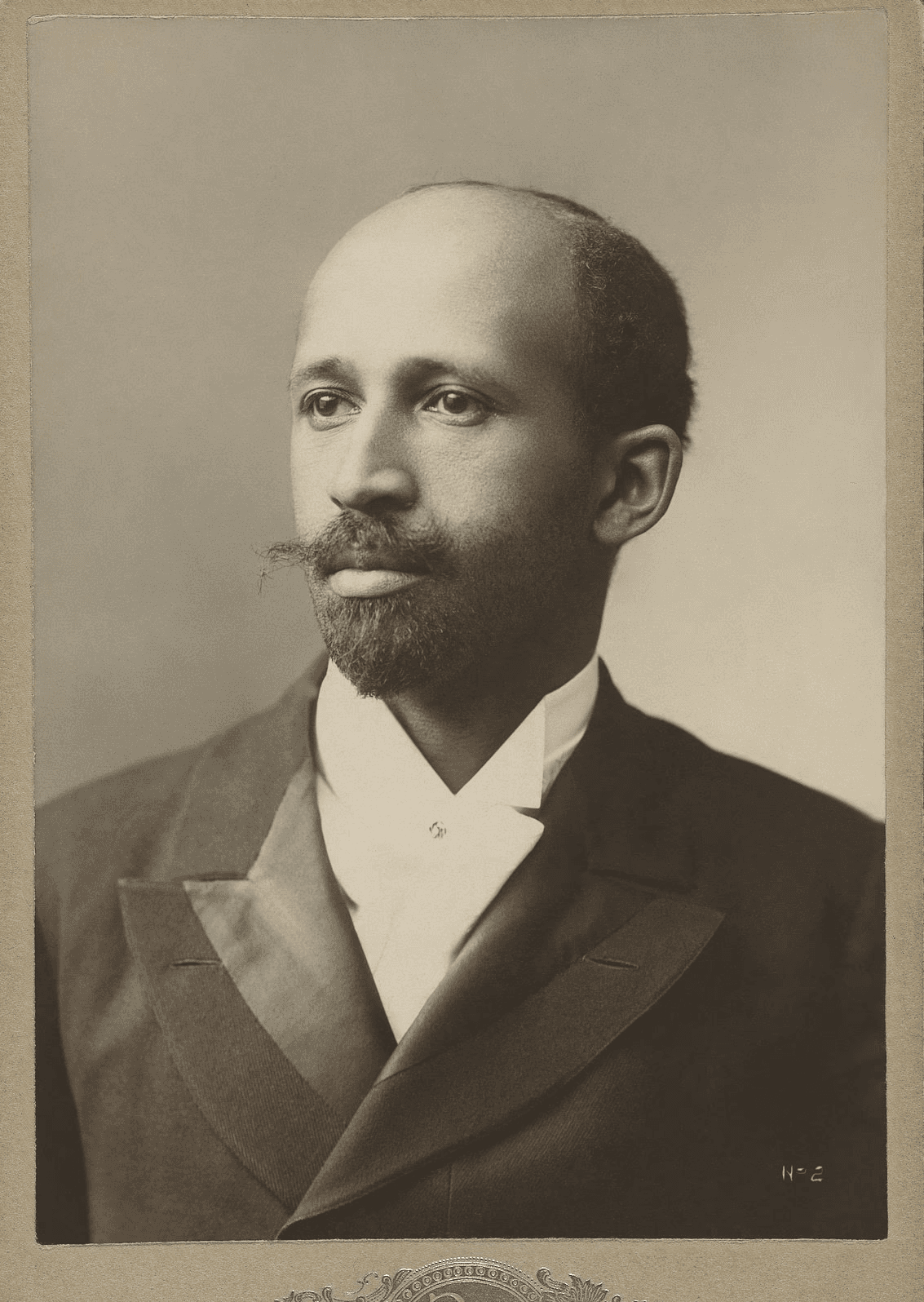
“Soul of Black Folks”
W.E.B. Du Bois

Transitional Objects
D.W. Winnicott
Commodity Fetishism
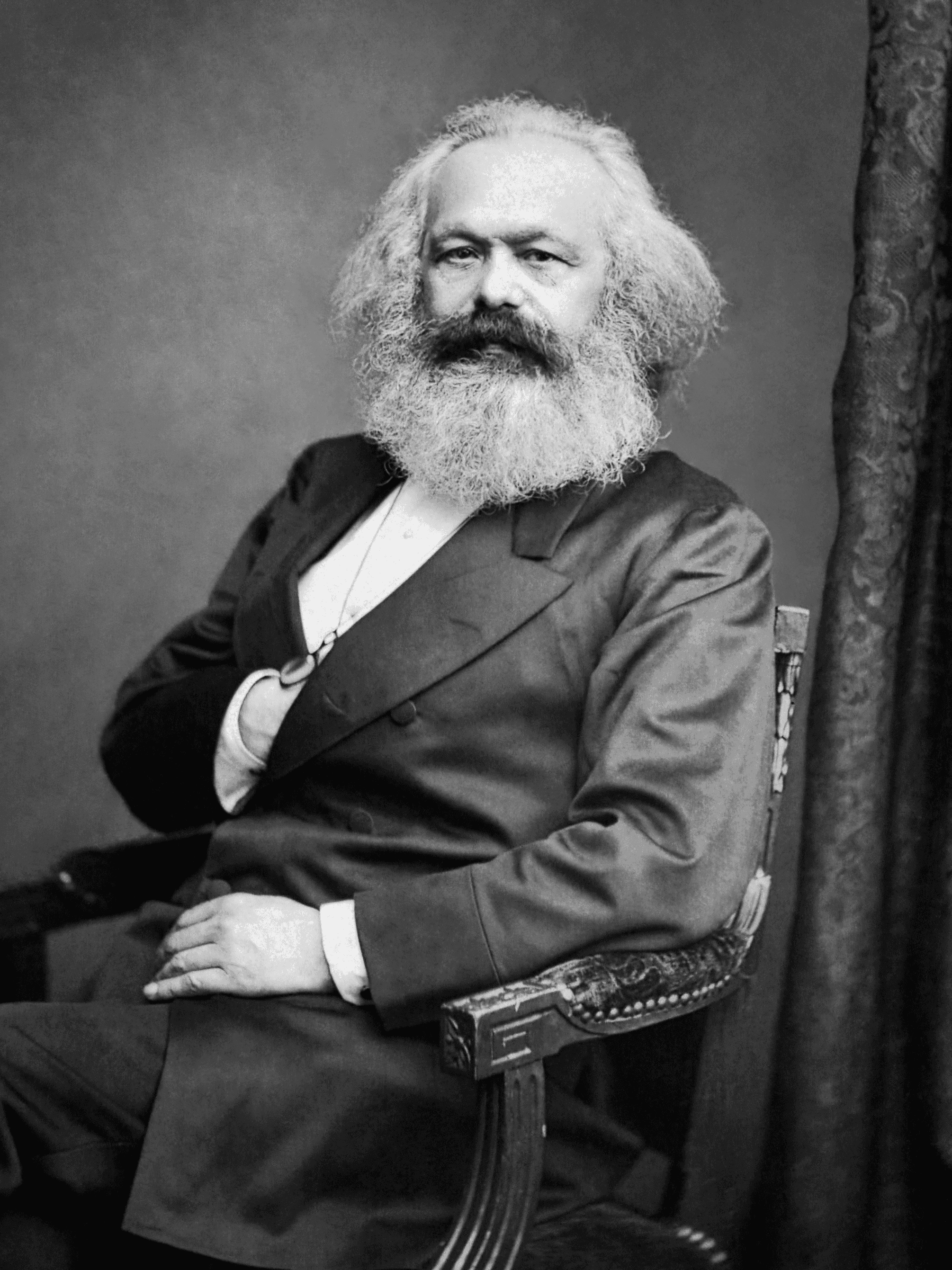
Karl Marx
Sweetness and Power
Sidney Mintz

Johns Hopkins University, Homewood
John Jabez Edwin Mayall, Public domain, via Wikimedia Commons
“Donald Winnicott in middle age,” The Winnicott Trust.
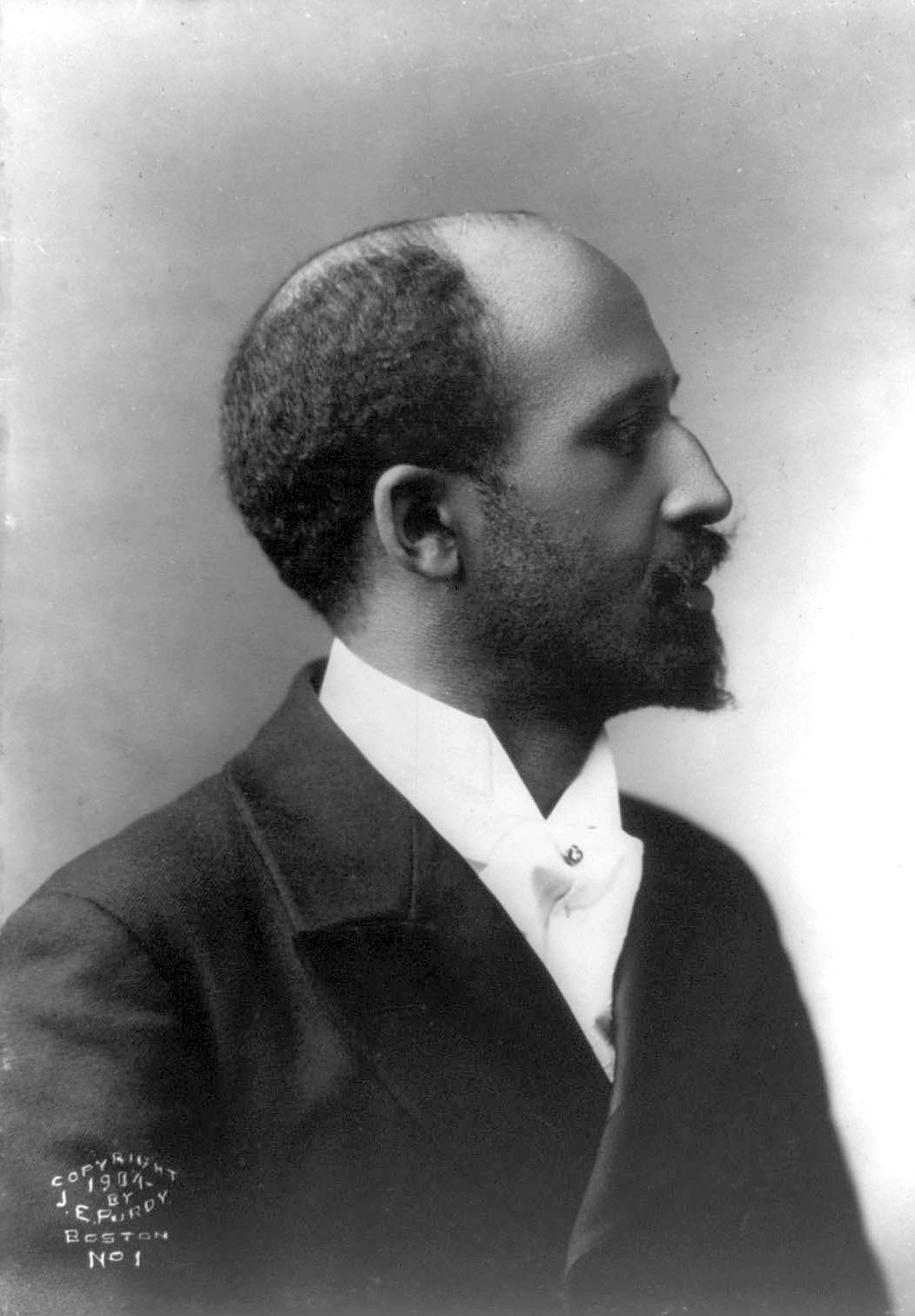
James E. Purdy, 1907, the National Portrait Gallery
D. W. Winnicott's Transitional Objects
Jack Rohloff
Another interesting connection lies between D.W Winnicott’s writing on transitional objects and our research. Winnicott argues that transitional objects are not merely bridges between people, but also tools that aid in the psychological process of detachment and reattachment, notably seen with children’s toys during the process of weaning. Psychoanalytic theory has long understood mourning itself to be modeled on weaning, as both involve a gradual detachment from a loved one or object, and physical tools become vital tools in these processes. Just as a toy or blanket helps a weaning child separate from its mother and begin forming an individual self, a handful of dirt dropped into a grave helps the living detach from the dead while also marking the dead’s passage out of the world of the living, initiating the process of grief. Seen through this framework, the headstones of the Cartwright and Duckett families can be viewed as transitional objects themselves: anchoring current reality to those who have passed and allowing for the formation of a relationship with individuals whose experiences might otherwise remain unreachable. The grave stones thus fulfill Winnicott's transitional phenomenon by physically establishing a fixed memory of the dead while also a forced recognition that the dead are no longer living.
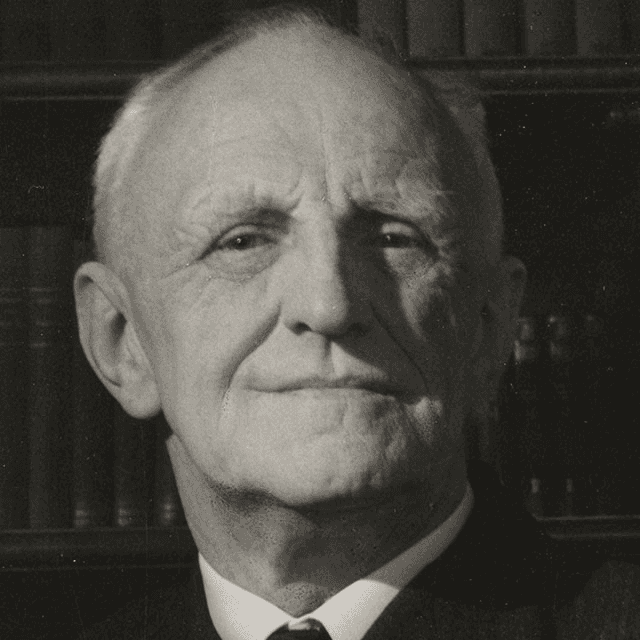
Further, as we have progressed with our research, the letters, archives, and records of these families too function as transitional objects, allowing us to create some sort of relationship with people whose worlds otherwise remain wholly inaccessible and unknown. These materials operate much like Winnicott’s transitional objects: they are concrete artifacts that aid us in imagining and interpreting the historical experiences of the Cartwrights and the Ducketts. In this sense, the process of archival research becomes a Winicottian transitional space, as it bridges the gaps between self and other, me and not me, through material transitional objects, just as Winnicott explores in his transitional objects theory.
"About Donald Winnicott," Top Banner, winnicott-trust.org.uk/wp-content/uploads/2024/02/Winnicott-trust-page-banner-about.jpg, The Winnicott Trust.
In the Mount Zion - Female Band Union Cemetery, where Reverend Joseph Cartwright, Lewis Cartwright, and Gracie Duckett lie to this day, there is a prevalent tradition of leaving objects on the graves. The grave of a woman named Nannie is one particular example of such that illuminates this connection: her grave is adorned with children's toys and books, and community members to this day continue to add more. Interestingly, no one has any idea of who Nannie was or what her role was in Georgetown, yet she sparks a fascination that leads to people leaving objects on her grave. According to Lisa Fager, all of the graves in the cemetery once had collections of objects from their loved ones, but when the graves were moved the objects were lost. Winnicott provides a framework for analyzing and understanding how these objects are used by the living to connect the physical world: the toys left on graves can clearly be viewed as transitional objects that work to bridge the gap between the living and the dead. In an article by Dr. Auslander and Lisa Fager Nannie's Stone: Commemoration and Resistance, they explore the historical practice of “Black memorialization practices, dating back into the era of enslavement.” They made a fascinating connection to Winnicott, discussing how these objects serve as intermediate objects: “By repeatedly touching intermediate objects, mourners gradually come to terms with a painful loss and in time relinquish the full burden of their immediate grief,” reinforcing the idea that these toys can be seen as transitional objects that help one deal with grief and connect with the dead. The analysis here can go much further, but for the sake of this brief connection, we just want to note how interesting and complex this connection could be.
"About Donald Winnicott," Top Banner, The Winnicott Trust.
W.E.B. Du Bois
Jack Rohloff
In his “Soul of Black Folks” W.E.B Dubois writes on the experience of being a Black person in America. Throughout the first chapter, he recounts his childhood realization of racial difference, symbolized by a ‘veil’ that separates Black people from white society. This veil creates what DuBois refers to as a ‘double consciousness,’ or the constant awareness of seeing oneself through one’s own eyes, but simultaneously the eyes of a white society that demeans and stereotypes Black people. DuBois explains that this sense of double consciousness creates “two warring ideals” within one person: being both Black and American in a nation that refuses to see those two entities as coexistent. This idea of double consciousness draws an interesting connection to our research on the Cartwright and Duckett Families. Black cemeteries, such as the Mount Zion and Female Band Union Cemeteries, can clearly be understood as sights of double consciousness in DuBois’ sense, as they are part of dominant society, yet distinctly separated.
The physical placement of the Mount Zion and Female Band Union Cemeteries recalls this very idea, as they are distinctly separate from the historically white Oak Hill Cemetery nearby. (Note that there is history of white disinterments from the Mount Zion cemetery after the reaction of Oak Hill (LOC), as it was created many decades later.)Thus, while unified physically with dominant society in death and burial, as the veil descends, it becomes clear that the Mount Zion and Female Band Union Cemeteries are left isolated from the wider continuum. On this, we must still acknowledge the inequalities that non-white communities faced when it came to burial rights even after death; like in the case of the Moses Macedonia African Cemetery and the Westwood Tower apartment complex where “Hundreds of bones found there may be the remains of enslaved people and their descendants, while more bodies may lie under the parking lot of the… complex,” (The Guardian).
"About Donald Winnicott," Top Banner, winnicott-trust.org.uk/wp-content/uploads/2024/02/Winnicott-trust-page-banner-about.jpg, The Winnicott Trust.
The headstones that sparked our research also embody this very sense of twoness or double consciousness that DuBois writes of as they reveal how Black lives were simultaneously visible and obscured: visible enough to be marked in stone, yet still constrained by strict racial orders that defined their external identities. The very existence of these headstones declares a sense of dignity, memory, and selfhood, which reflects how the Cartwrights, Ducketts, and the Black community saw themselves and their family members. Yet, the physical state of these headstones, segregated from white burial areas and some moved around and damaged, could mirror how white society might have perceived them. In this sense, these headstones can act as material expressions of double consciousness: they can preserve an inner story of Black humanity, personhood, and community pride while simultaneously reflecting the external community that diminished, misclassified, and marginalized that same humanity. Thus, the headstones can be seen to illustrate how members of the Black community in Georgetown were forced to navigate this sense of twoness—their own understanding of their worth and humanity and the distorted reflection imposed by white society, even in death.
by James E. Purdy; United States Library of Congress
Karl Marx Commodity Fetishism
Rachel Yonteff
In his “Capital: a Critique of Political Economy” Karl Marx identifies the pattern of commodity fetishism that exists within a capitalistic society. He argues that in a capitalistic society, commodities appear to have intrinsic value within them, which causes the labor behind them to go ignored. This view of material objects perpetuates systems of exploitative labor practices, as people view objects themselves as having value, rather than the labor that created them. Thus, as he argues, a capitalistic society ignores exploitative labor practices because society does not value the literal people who create these commodities that appear to be so valuable, which allows for exploitative labor practices, such as slavery, to be somewhat glossed over. For Marx, commodity fetishism is not simply the misrecognition of labor embedded in objects but rather the larger ideological process through which social relations between people become transformed into relations between things. In a slave economy, this distortion becomes even more extreme as the very people whose labor produces value are themselves turned into commodities.
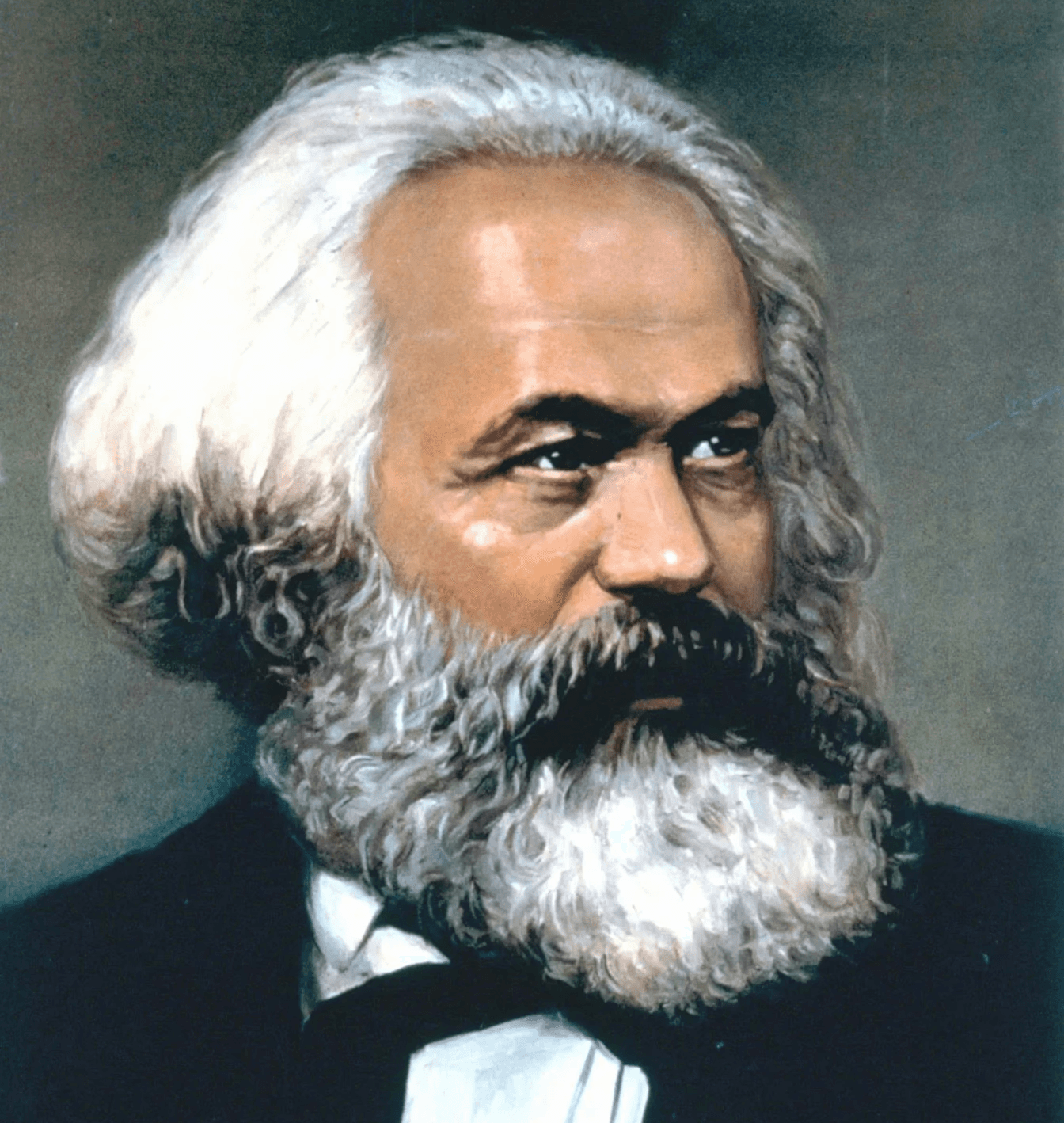
Marx’s commentary on commodity fetishism can be clearly connected to our research, where the Duckett and Cartwright families were treated as literal commodities rather than actual people. This treatment of enslaved people is, when viewed from a Marxist view, founded in the idea that the value of commodities outweigh the value of the people that lay behind them, drawing a clear connection to Marx’s ideas of commodity fetishism. This view of commodifying people is further extended to the commodification of the idea of freedom. As we have found through our research, Rev. Joseph Cartwright purchased his own freedom and that of his children, revealing how freedom itself became viewed as a literal commodity. This further reflects Marx critique of capitalistic systems that value monetary gains over humanity.
"About Donald Winnicott," Top Banner, winnicott-trust.org.uk/wp-content/uploads/2024/02/Winnicott-trust-page-banner-about.jpg, The Winnicott Trust.
Marx’s ideas on commodity fetishism provide an interesting lens through which we can view the physical headstones of the Cartwright and Duckett families. Throughout their lives, their labor and personhood were obscured by the fetishism that Marx describes: their value was derived not from themselves, but from the commodities they were forced to produce. Yet their physical headstones perform the opposite function. As literal objects proving the personhood of these families, the headstones become the building blocks of the process of de-commodification. The labor that produced these stones does not obscure the people beneath them, but instead the stones anchor and materialize their memory. In their solid, durable, and visible state, these headstones literally solidify the memory of the Cartwright and Duckett families, resisting the erasure that commodity fetishism once enabled. These markers force a recognition of the humanity of those who were previously objectified through their creation of a space where descendants, community, and even researchers can begin to reconstruct the personhood that capitalism and slavery sought to flatten. Our research, beginning with these headstones, proved this very concept, by demonstrating how these stones function as material commodities that reverse the fetish logic by revealing rather than obscuring the lives of the Cartwright and Duckett families. Thus, while Marx argues that commodities obscure the people and labor that lay behind them, these gravestones (and our research) suggests that physical commodities can also do the opposite.
Sidney Mintz: Sweetness and Power
Rachel Yonteff
Sidney Mintz, in his book “Sweetness and Power: The Place of Sugar in Modern History” explores how sugar’s meanings and uses have changed over time and how consumption is shaped by production. He argues that in order to understand sugar as a commodity, we must look deeper to its social structure—how consumer demand is shaped by production systems, colonialism, and capitalism. Further, he ultimately argues that commodities like sugar hide the violent systems, notably slavery, colonialism, and global capitalism, that produced it. This framework resonates deeply with our research, where we have tracked the material traces of the Cartwright and Duckett families. From manumission papers, to marriage and death records, to mortgages and newspaper clippings, we’ve traced seemingly bureaucratic objects that in reality crystalize massive systems of racialized labor extractions, just as Mintz does with sugar. Like sugar, these documents we’ve traced only truly make sense when considered with the wider structures of power and exploitation that produced them: plantation economies built upon the commodification of Black life. Mintz’ analysis thus illuminates how seemingly simple objects in reality carry the imprint of exploitative labor systems and the violence of slavery, while simultaneously showing how enslaved and formerly enslaved people navigated, resisted, and redefined these structures.

Further, Mintz’ observations on sugar offer a fascinating lens through which we can consider the transformation of the Tidewater/D.C economy from the era of slavery to modern day. Just as Mintz notes, the changing meaning of sugar reveals how shifting production reorganizes social life, the post-emancipation Tidewater region saw a similar reconfiguration—as slavery was abolished it gave way to wage labor and new forms of racial governance that replaced the forced labor system. The end of slavery did not dissolve the exploitation that Mintz describes, but instead caused it to be rearticulated through systems like sharecropping, convict leasing, debt peonage, and the growth of the bureaucratic state that oversaw black mobility, property ownership, and labor.
“Sidney Mintz,” photograph in Sam Roberts, 30 December 2015.
The archival material we’ve used for this project show how Black families like the Cartwrights and Ducketts negotiated this shifting landscape of freedom through marriage, church networks, and emerging legal rights that allowed them to assert autonomy within a system designed to circumscribe it. Thus, Mintz’ framework, outlines a continuity: the region's transformation from a slave based economy to a modern capitalist one did not eradicate the commodification of black life but instead transformed its mechanisms, embedding the same exploitative race based structures that governed the slave based economy into institutional framework that continues to shape the lived realities of Black communities in the D.C area to this day.