Karl Marx Commodity Fetishism
Rachel Yonteff
In his “Capital: a Critique of Political Economy” Karl Marx identifies the pattern of commodity fetishism that exists within a capitalistic society. He argues that in a capitalistic society, commodities appear to have intrinsic value within them, which causes the labor behind them to go ignored. This view of material objects perpetuates systems of exploitative labor practices, as people view objects themselves as having value, rather than the labor that created them. Thus, as he argues, a capitalistic society ignores exploitative labor practices because society does not value the literal people who create these commodities that appear to be so valuable, which allows for exploitative labor practices, such as slavery, to be somewhat glossed over. For Marx, commodity fetishism is not simply the misrecognition of labor embedded in objects but rather the larger ideological process through which social relations between people become transformed into relations between things. In a slave economy, this distortion becomes even more extreme as the very people whose labor produces value are themselves turned into commodities.
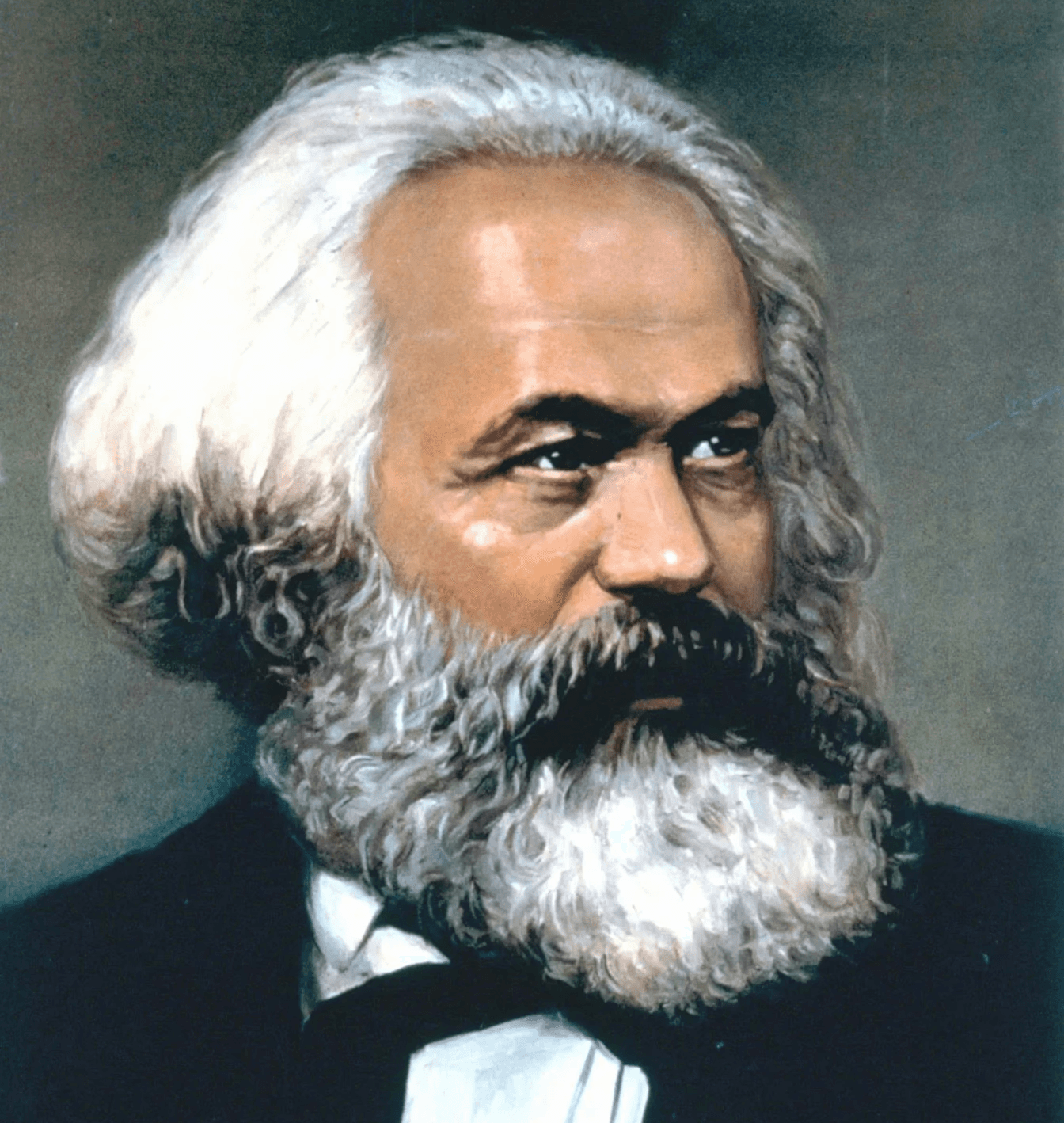
Marx’s commentary on commodity fetishism can be clearly connected to our research, where the Duckett and Cartwright families were treated as literal commodities rather than actual people. This treatment of enslaved people is, when viewed from a Marxist view, founded in the idea that the value of commodities outweigh the value of the people that lay behind them, drawing a clear connection to Marx’s ideas of commodity fetishism. This view of commodifying people is further extended to the commodification of the idea of freedom. As we have found through our research, Rev. Joseph Cartwright purchased his own freedom and that of his children, revealing how freedom itself became viewed as a literal commodity. This further reflects Marx critique of capitalistic systems that value monetary gains over humanity.
"About Donald Winnicott," Top Banner, winnicott-trust.org.uk/wp-content/uploads/2024/02/Winnicott-trust-page-banner-about.jpg, The Winnicott Trust.
Marx’s ideas on commodity fetishism provide an interesting lens through which we can view the physical headstones of the Cartwright and Duckett families. Throughout their lives, their labor and personhood were obscured by the fetishism that Marx describes: their value was derived not from themselves, but from the commodities they were forced to produce. Yet their physical headstones perform the opposite function. As literal objects proving the personhood of these families, the headstones become the building blocks of the process of de-commodification. The labor that produced these stones does not obscure the people beneath them, but instead the stones anchor and materialize their memory. In their solid, durable, and visible state, these headstones literally solidify the memory of the Cartwright and Duckett families, resisting the erasure that commodity fetishism once enabled. These markers force a recognition of the humanity of those who were previously objectified through their creation of a space where descendants, community, and even researchers can begin to reconstruct the personhood that capitalism and slavery sought to flatten. Our research, beginning with these headstones, proved this very concept, by demonstrating how these stones function as material commodities that reverse the fetish logic by revealing rather than obscuring the lives of the Cartwright and Duckett families. Thus, while Marx argues that commodities obscure the people and labor that lay behind them, these gravestones (and our research) suggests that physical commodities can also do the opposite.